

Wow, what a ride.
Based on a true story, Whites Wash at Ninety tells the gripping and deeply personal life story of Bronja Žakelj. The film opens with Bronja as a teenager living what appears to be a typical life, dating boys, hanging out with friends, worrying about school, and dreaming of the future. She shares a close bond with her adventurous younger brother Rok, watching over him as he climbs, and seems at first glance like any teenage girl.
But beneath the surface lies unspoken trauma. In her childhood, Bronja’s mother died of cancer. Unbeknownst to her mother, she had been diagnosed with the illness, and Bronja watched her die at home from what was otherwise a curable disease. That early loss leaves Bronja with a deep fear of being lied to and shapes how she approaches life. So when Bronja herself is diagnosed with Hodgkin’s lymphoma at the end of her teenage years, she vows to fight the illness with courage and determination.
Whites Wash at Ninety does not soften the brutality of cancer. The treatment process is shown honestly ; physically exhausting and emotionally isolating. Bronja must stand up for herself as she navigates the illness largely on her own. Even as friends and relationships shift during her recovery, her unwavering optimism and resilience come to the forefront.
The hardships continue. In one of the film’s most devastating turns, her beloved brother Rok dies in a climbing accident. Soon after, her grandmother passes away. The accumulation of loss is overwhelming, yet Bronja keeps moving forward. She finds purpose in hiking and sets goals to climb several mountains in Slovenia, channeling her grief into strength. The mountains stand as both literal and symbolic representations of resilience, endurance, and survival.
As Bronja grows into adulthood, she slowly begins to trust again and finds love with a boy named Blaž. Ultimately, the film ends on a hopeful and deeply human note: with the birth of her first child. We see a Bronja who is content and at peace with her life, having transformed grief and struggle into survival and purpose.
Despite its serious themes, the film balances heartbreak with warmth. Moments of humor and family connection, especially in Bronja’s early life with her grandmother and brother, offer flashes of joy that make the story feel profoundly human.
Directed by Marko Naberšnik and adapted from Bronja Žakelj’s bestselling autobiographical novel, Whites Wash at Ninety was the most watched Slovenian film of 2025 and has received major awards and recognition internationally.
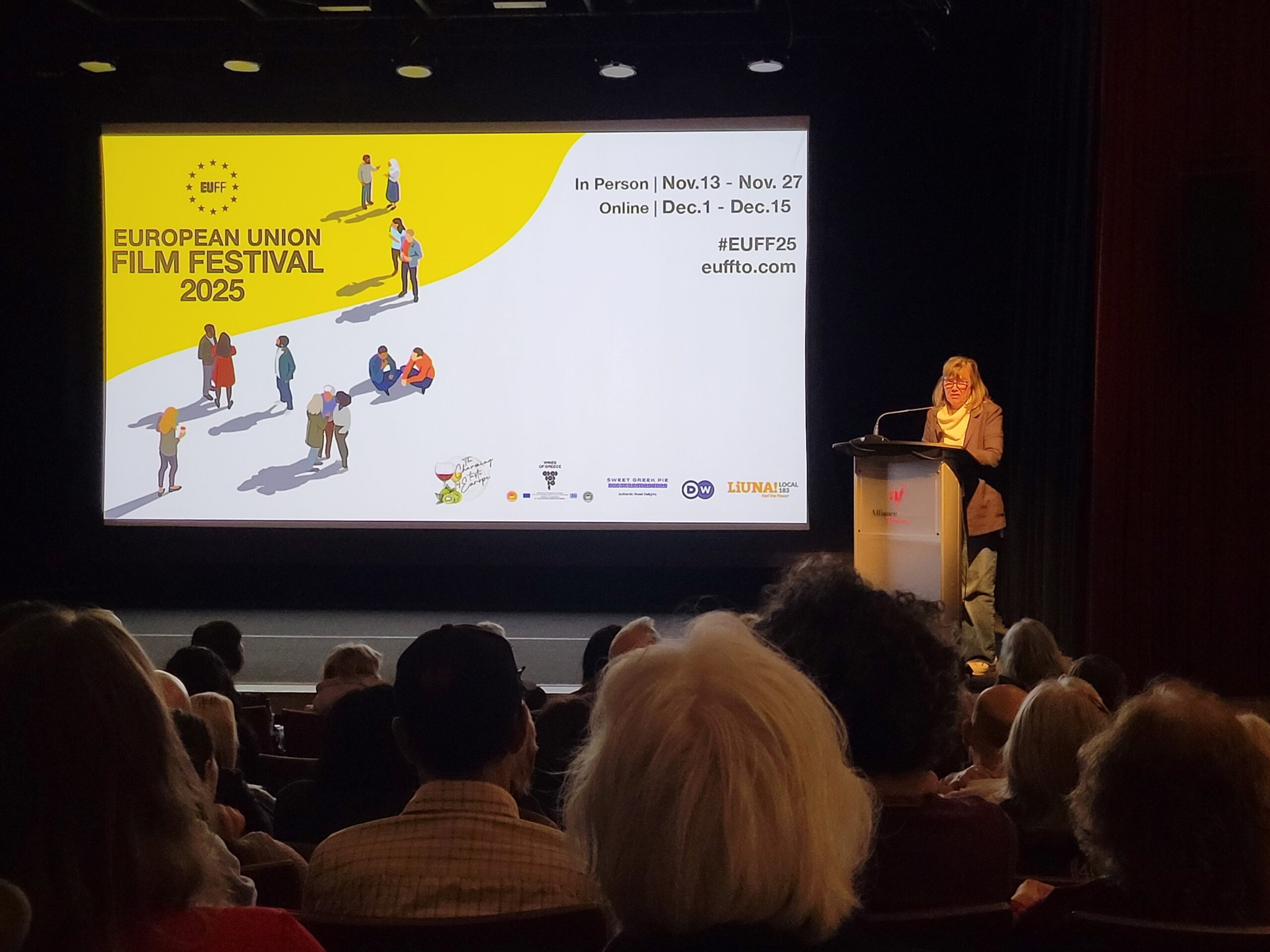
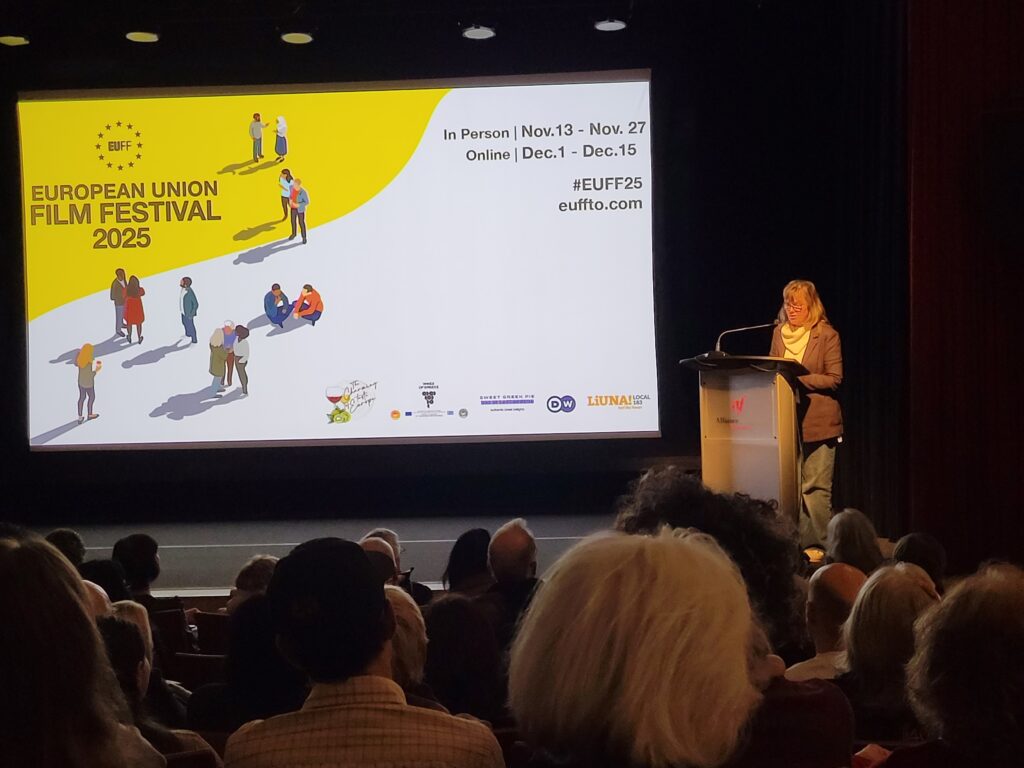
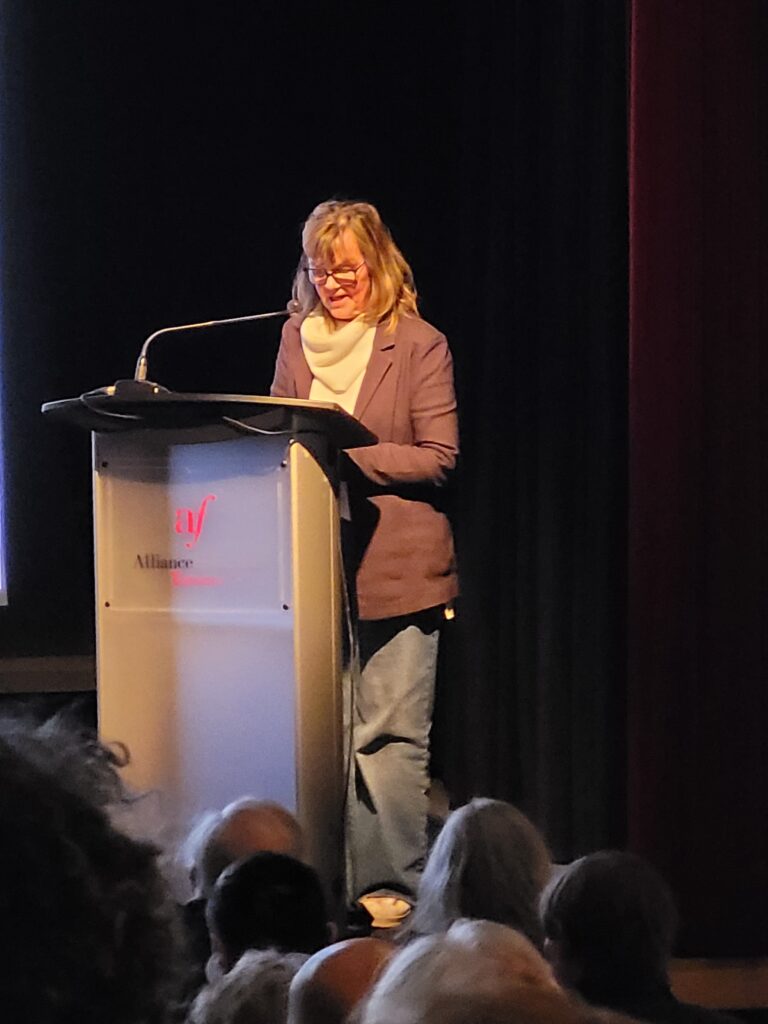
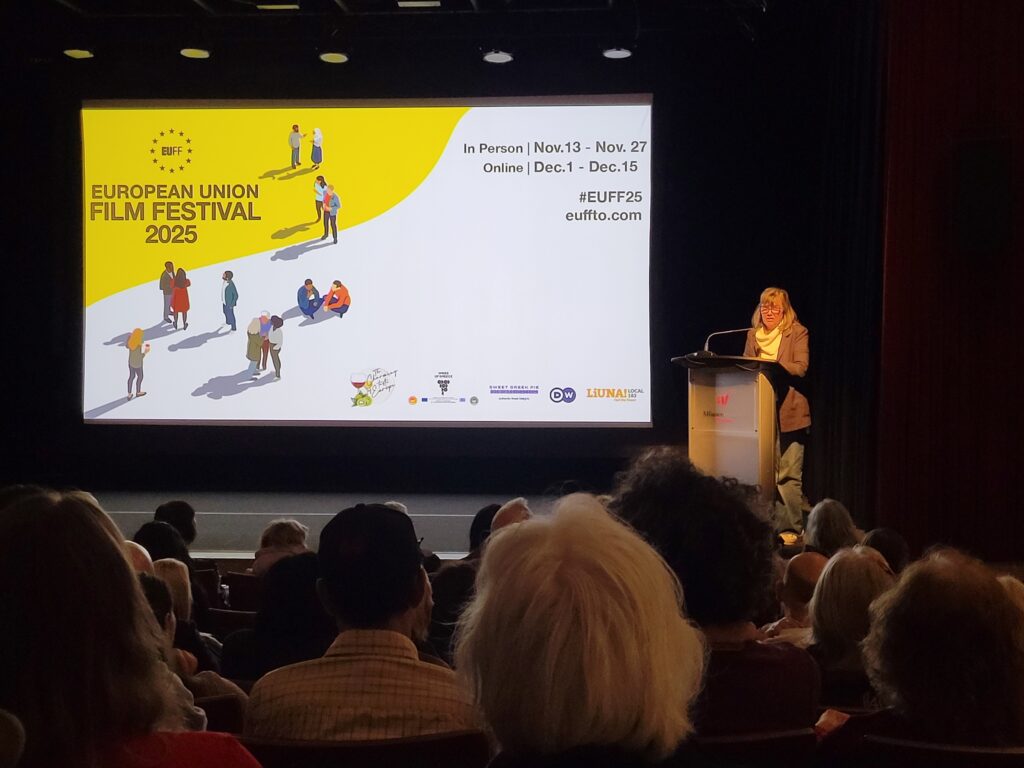
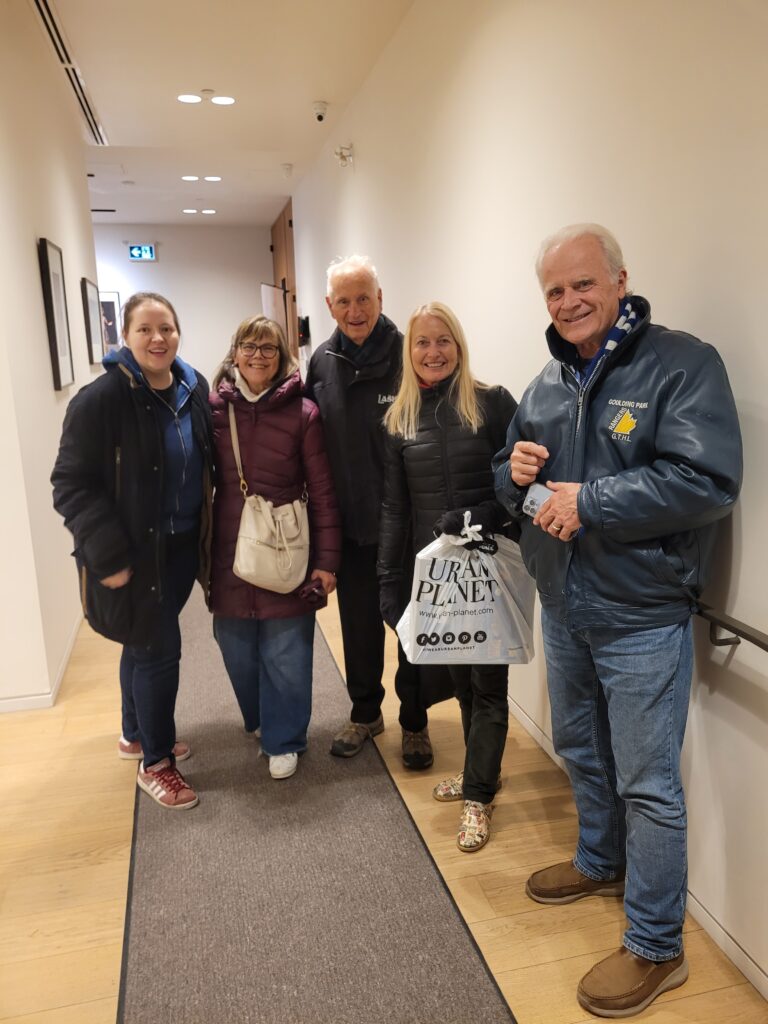
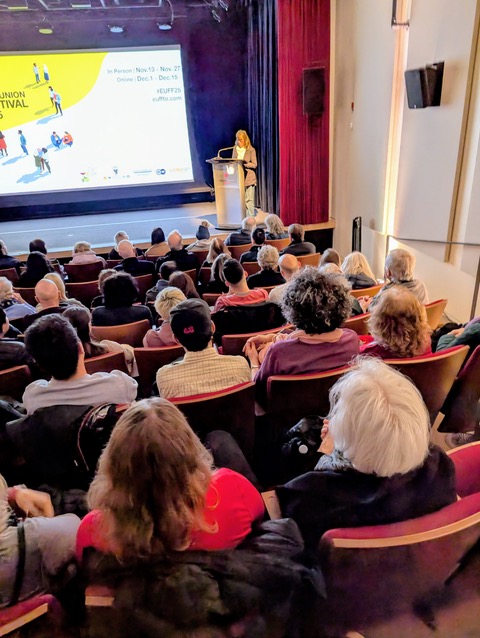
On November 23rd, 2025, members of Slovenski Dom (Majda Resnik, Oscar Koren, Marta Demsar, Peter Gormek, and myself) attended the European Film Festival in Toronto, where the film was co‑presented by Slovenski Dom. Majda Resnik gave a wonderful and heartfelt introduction, setting the tone for an emotional and meaningful screening. It was moving to see such an important Slovenian story shared with international audiences.
Heartbreaking yet inspiring, Whites Wash at Ninety is ultimately a story about resilience — about choosing to keep climbing, no matter how steep the mountain. The title itself, while open to interpretation, evokes a metaphorical wisdom from the original autobiographical novel: like a mother advising a child to wash stubborn whites at ninety degrees, it reflects the “stains” of life — loss, illness, grief, and memory — that we must face, endure, and ultimately come to terms with. Just as Bronja climbs mountains and navigates life’s most difficult trials, the title reminds us that some challenges must be confronted at full force.